Pour Over vs Drip Coffee: Which Should You Buy?
 By groundsandcrema.com Editorial Team · Updated October 22, 2026
How we research: this guide is based on manufacturer specifications, published data and verified customer feedback. Products are not personally tested unless marked “Tested by us”. Our process.
We may earn a commission when you buy through links on this site, at no extra cost to you. As an Amazon Associate I earn from qualifying purchases.
If you want the short answer: pour-over usually gives you more control and a cleaner, more detailed cup, while automatic drip is easier and better for making several mugs at once.
One important wrinkle: pour-over is actually a form of drip brewing. In home coffee shopping, though, people usually mean manual pour-over versus an automatic drip machine. That is the comparison that matters here.
The best choice depends on how much effort you want to spend, how many cups you brew, and how good your grinder is. If you want to improve either style, start with a better coffee grinder and a simple coffee ratio calculator.
Not sure which one to get? Answer a few quick questions.
Which Home Brewer Fits Your Routine?Brewing? Get exact grams of coffee and water for any method and any number of cups.
Coffee Ratio CalculatorQuick picks
Comparison table
| Model | Type | Best for | Key strengths | Trade-off | Check price |
|---|---|---|---|---|---|
| Hario V60 Ceramic Coffee Dripper 02 - Classic Colors | Manual pour-over | One to four cups and full control over the pour | Very simple, highly adjustable, compact | Needs practice, a good grinder, and a careful hand | AmazoneBay |
| OXO Brew 8-Cup Coffee Maker | Automatic drip | Everyday convenience and smaller households | SCA-certified, thermal carafe, brew-by-the-cup or full carafe | Less hands-on control than manual pour-over | AmazoneBay |
| Technivorm Moccamaster 79312 KBGT Coffee Brewer, 40 oz, Polished Silver | Premium automatic drip | Larger batches and long-term ownership | 10-cup thermal carafe, automatic drip-stop basket, fast full-carafe brewing | More machine than casual one-cup brewing | AmazoneBay |
Our picks in detail
Hario V60 Ceramic Coffee Dripper 02 - Classic Colors
Best for: Home brewers who want a simple manual setup for one to four cups and do not mind learning technique.
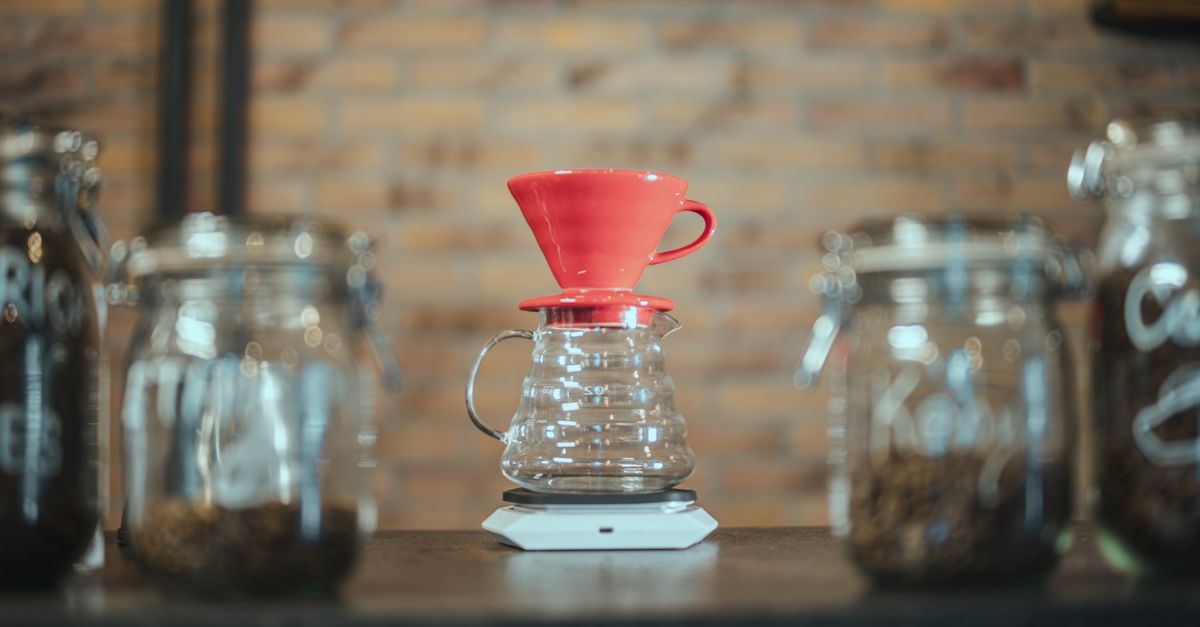
The Hario V60 Ceramic Coffee Dripper 02 is a classic cone-shaped manual brewer that puts you in charge of pour speed, water path, and extraction.
It suits readers who want a cleaner, more transparent cup and are willing to pair the dripper with a decent grinder and a gooseneck kettle.
- Material
- Porcelain ceramic
- Size
- 02
- Capacity
- 1 to 4 cups
- Origin
- Made in Japan
Pros
- Very simple design
- Strong control over brewing variables
- Compact and easy to store
Cons
- Technique matters a lot
- Ceramic can chip if handled carelessly
- Requires more attention than an automatic machine
OXO Brew 8-Cup Coffee Maker
Best for: Readers who want an easy automatic drip brewer for smaller households or single-mug mornings.
The OXO Brew 8-Cup Coffee Maker is a practical automatic drip machine with SCA-certified brewing, BetterBrew precision brewing, a Rainmaker showerhead, and a thermal carafe.
It is a good middle ground if you want push-button brewing without jumping straight to a premium machine.
- Capacity
- 8 cups
- Brewing system
- BetterBrew precision brewing
- Carafe
- Thermal carafe
- Modes
- Brew-by-the-cup or full carafe
Pros
- Easy day-to-day use
- More consistent than basic drip machines
- Flexible for single mugs or a full pot
Cons
- Less hands-on control than pour-over
- Some users find cleaning and reservoir maintenance less convenient
Technivorm Moccamaster 79312 KBGT Coffee Brewer, 40 oz, Polished Silver
Best for: People who make several cups often and want a premium automatic drip brewer with a thermal carafe and fast batch brewing.
The Technivorm Moccamaster 79312 KBGT Coffee Brewer is a handmade automatic drip brewer from the Netherlands with a 10-cup / 1.25 L / 40 oz capacity.
Its thermal carafe and automatic drip-stop brew basket make it a practical pick for batch brewing, and it brews a full carafe in about 4–6 minutes.
- Capacity
- 10-cup / 1.25 L / 40 oz
- Carafe
- Thermal carafe
- Brew basket
- Automatic drip-stop
- Brew time
- About 4–6 minutes
- Water temperature
- 196°F–205°F
- Power
- 120 V, 1400 W
- Automatic shutoff
- 12 minutes
- Warranty
- 5 years
- Origin
- Handmade in the Netherlands
Pros
- Fast full-carafe brewing
- Thermal carafe and drip-stop basket suit batch brewing
- Handmade in the Netherlands with a 5-year warranty
Cons
- More brewer than a one-cup routine needs
- Better suited to batch brewing than casual single mugs
What people mean by pour-over vs drip coffee
The first thing to clear up is terminology. Pour-over is a manual drip method: you add hot water by hand, usually in stages, and let gravity pull it through the grounds and filter. Automatic drip is the machine version, where the brewer heats and distributes the water for you.
That distinction matters because both styles can make excellent coffee, but they ask different things from the person making them. Manual pour-over gives you more control. Automatic drip gives you more convenience and repeatability.
- Manual pour-over: you control the pour, the pace, and the brew time.
- Automatic drip: the machine handles water delivery and timing.
- In everyday home-coffee language, 'drip coffee' usually means an automatic machine, not a cone brewer in your hand.
Flavor: control versus consistency
Manual pour-over usually wins when someone wants clarity, nuance, and the ability to shape the cup by changing the pour. You can influence bloom, agitation, and flow rate, which makes it easier to emphasize sweetness, brightness, or balance depending on the recipe.
A good automatic drip machine can get much closer to that goal than the old kitchen-counter stereotype suggests. Better brewers wet the grounds more evenly and keep the brew process steadier, which narrows the gap between machine coffee and manual pour-over. That is why the best automatic brewers are often the right answer for people who care about taste but do not want the ritual every morning. If you want more options in either camp, see our best pour-over coffee maker and best drip coffee maker guides.
- Pour-over usually gives more control over flavor.
- Automatic drip can still make very good coffee when the machine is designed well.
- A mediocre grinder can flatten the difference between the two styles.
Convenience, batch size, and cleanup
This is where automatic drip usually pulls ahead. If you make coffee for two or more people, or you want coffee ready while you get ready for the day, an automatic brewer is the easier fit. Load the basket, fill the reservoir, press a button, and let the machine do the work.
Pour-over is better when you make one mug at a time and do not mind standing at the counter. Cleanup is often simple, but the process is more hands-on. With either style, remember that hot water, hot surfaces, glass, and ceramic all deserve care. Keep electric bases dry, let parts cool before cleaning, and follow the manual for descaling and other maintenance.
- Pour-over is usually best for one to two mugs at a time.
- Automatic drip is the better choice for larger households or repeat brewing.
- Glass and ceramic brewers can chip or break, especially when they are hot.
Gear worth buying for each style
The brewer matters, but the whole setup matters more. A manual dripper needs a better kettle and a little technique. A drip machine needs even water distribution and a design that is easy to live with. The right setup is the one you will actually use every day.
Manual pour-over setup
The Hario V60 Ceramic Coffee Dripper 02 is a very clean starting point if you want to learn pour-over without buying a complicated system. It is compact, straightforward, and easy to match with a scale and a decent grinder. A gooseneck kettle helps a lot because it gives you the control needed for a slower, more even pour.
If you want a bigger manual brewer, the Chemex is the classic alternative. It is beautiful and simple, but the glass body is more fragile and the proprietary filters are part of the ongoing ritual. The Hario is the more flexible starting point for most people who are just deciding whether manual brewing is for them.
- Best when you usually brew one to four cups.
- Pair it with a burr grinder and a gooseneck kettle for better control.
- Chemex is the larger manual option, but it asks for more filter commitment and more careful handling.
Automatic drip that keeps mornings simple
The OXO Brew 8-Cup Coffee Maker is a sensible middle ground if you want automatic drip without overcomplicating the counter. Its SCA certification, BetterBrew system, Rainmaker showerhead, and thermal carafe make it a strong everyday brewer for smaller households or anyone who likes a single mug on weekdays and a full carafe on weekends.
It is the kind of machine that makes sense when convenience matters, but you still want a brewer that behaves like a serious coffee tool. The brew-by-the-cup option is especially useful if you do not need a full pot every time.
- Good balance of convenience and cup quality.
- Works for a single mug or a full carafe.
- Thermal carafe design keeps the setup compact.
Premium drip for larger households
The Technivorm Moccamaster 79312 KBGT Coffee Brewer, 40 oz, Polished Silver is the stronger choice when you make multiple cups often and want a brewer that feels like a long-term kitchen appliance rather than a stopgap. The 10-cup / 1.25 L / 40 oz capacity, thermal carafe, and automatic drip-stop brew basket make it practical for both smaller and larger batches.
For readers who prioritize batch brewing and a simple routine, it is one of the most compelling automatic drip options. It brews a full carafe in about 4–6 minutes, uses a copper boiling element that heats water to 196°F–205°F, shuts off automatically after 12 minutes, and is handmade in the Netherlands with a 5-year warranty.
- Best fit for frequent batch brewing.
- Thermal carafe and automatic drip-stop basket suit batch brewing.
- Strong choice if you want an automatic brewer with a durable reputation.
Which one should you buy?
Choose manual pour-over if you make one cup at a time, like the ritual, and want to shape the flavor as much as possible. Choose automatic drip if you want a button-press routine, more servings, and a brewer that is easy to live with on busy mornings.
If you are undecided, think about how you actually drink coffee on most days, not how you imagine an ideal weekend brew. For a broader look at the category, our drip & pour-over coffee makers guide covers more brewers in both camps.
- Choose pour-over for the most control and the smallest footprint.
- Choose automatic drip for convenience, consistency, and larger batches.
- Choose the OXO if you want the easiest middle ground.
- Choose the Technivorm Moccamaster 79312 KBGT Coffee Brewer if you want premium batch brewing and frequent use.
FAQ
Is pour-over the same as drip coffee?
Technically, yes: pour-over is manual drip brewing. In everyday home-coffee language, though, most people use 'drip coffee' to mean an automatic drip machine. That is why the comparison usually comes down to manual control versus push-button convenience.
Which tastes better, pour-over or drip coffee?
Pour-over usually tastes cleaner and more detailed because you control the pour and can shape the extraction more directly. A good automatic drip machine can still make excellent coffee, especially when the brewer distributes water evenly and the grinder is consistent.
Is automatic drip easier for beginners?
Yes. Automatic drip is generally easier because the machine handles the water delivery and timing for you. Pour-over is learnable, but it rewards practice and a steadier hand.
Do I need a gooseneck kettle for pour-over?
Not strictly, but it helps a lot. A gooseneck kettle makes it easier to pour slowly and repeat the same motion each time, which is a big part of consistent manual brewing.
What grinder should I use for pour-over or drip?
A burr grinder is the better choice for both styles because it produces more even grounds than a blade grinder. That consistency helps the coffee extract more evenly and usually makes the cup taste more balanced.
How do I keep drip coffee from tasting weak?
Start with the right coffee-to-water ratio, then make sure the grind is consistent and the basket is not overloaded or underfilled. If you want a simple reference, our coffee to water ratio for drip guide will help you dial in the basics.
The bottom line
If you want the most control and the cleanest path to a nuanced cup, manual pour-over is the better match. If you want convenience, repeatability, and the ability to brew more than one mug without standing over the counter, automatic drip is the smarter buy.
For most people, the best decision comes down to routine: pour-over for one cup and a little ritual, drip for everyday ease. Either way, a good grinder and a sensible ratio matter more than chasing the fanciest brewer first.
Reader experiences
Own one of these? Your experience helps other readers decide.