How we research: this guide is based on manufacturer specifications, published data and verified customer feedback. Products are not personally tested unless marked “Tested by us”. Our process.
We may earn a commission when you buy through links on this site, at no extra cost to you. As an Amazon Associate I earn from qualifying purchases.
If you’re choosing between an automatic drip machine and a manual pour-over dripper, start with Pour Over vs Drip Coffee: Which Should You Buy?, then use this guide to narrow the choice.
For deeper product roundups, see Best Drip Coffee Maker in 2026, Best Pour-Over Coffee Maker in 2026, Best Cold Brew Maker in 2026: 4 Top Picks, and Best French Press in 2026: Top Picks for Home Coffee.
Use the comparison table first if you already know what you want. If you’re still sorting it out, read the sections below in order: brewer type, filter system, batch size, and the gear that makes either method easier.
This guide focuses on current U.S. model names and the parts that matter most at checkout: brew geometry, filter compatibility, cup count, cleanup, and whether the brewer still fits a real home routine.
Quick picks
Comparison table
| Brewer family | Typical example | Best for | Main trade-off | Check price |
|---|---|---|---|---|
| Automatic drip coffee maker | Technivorm Moccamaster KBGV Select 10-Cup | Busy mornings and larger batches | Less hands-on control and more parts to clean | — |
| Manual cone pour-over | HARIO V60 Ceramic Coffee Dripper, Size 02, White | Clear, expressive cups and maximum control | Technique-sensitive and usually slower | — |
| Flat-bottom pour-over | Kalita Wave 185 Stainless Steel Coffee Dripper | Forgiving manual brewing with even extraction | Slightly less expressive than a cone | — |
| Manual batch brewer | CHEMEX Six Cup Classic CHEMEX® (CM-6A) | Small-group serving and presentation | Fragile glass and filter dependency | — |
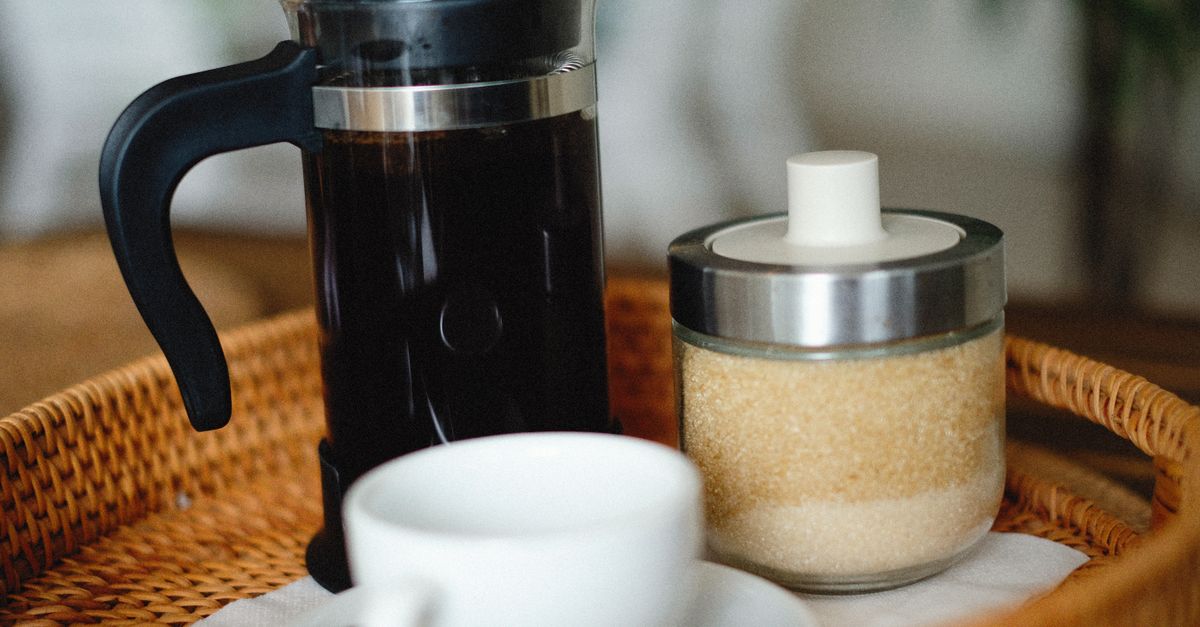
| Immersion brewer | French press | Simple immersion and fuller body | More sediment and more cleanup | — |
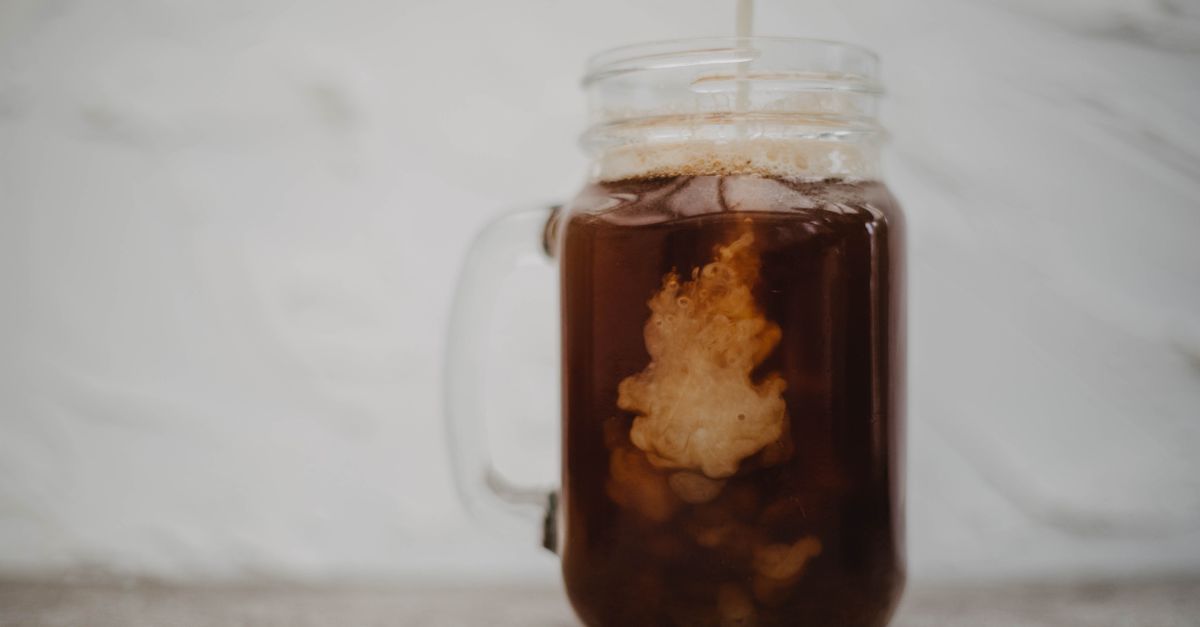
| Cold brew brewer | Cold brew maker | Make-ahead coffee and smooth concentrate | Long steep time and fridge space | — |
Our picks in detail
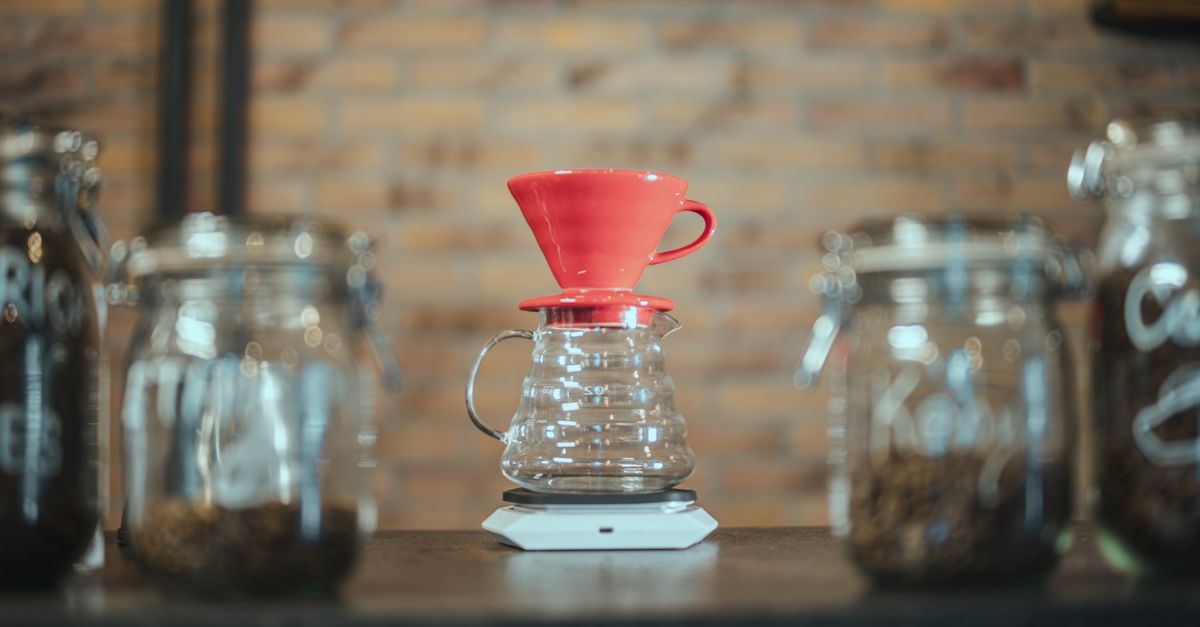
HARIO V60 Ceramic Coffee Dripper, Size 02, White
Best for: Small-batch manual pour-over with precise flow control
The Size 02 dripper brews 1–4 cups.
Its conical shape, spiral ridges, and single large hole are built for pour control.
This version is white handmade porcelain / Arita-yaki ceramic, made in Japan.
Dimensions: W140 x D120 x H102 mm.
- Brew style
- Manual pour-over
- Size
- 02
- Capacity
- 1–4 cups
- Material
- White handmade porcelain / Arita-yaki ceramic
- Design
- Conical shape with spiral ridges and a single large hole
- Dimensions
- W140 x D120 x H102 mm
- Origin
- Made in Japan
Pros
- Very high control over brew flow
- Sturdy, compact small-batch format
- Plastic-free ceramic build
Cons
- Technique-sensitive
- Heavier than plastic drippers
- Can chip or crack if dropped
Kalita Wave 185 Stainless Steel Coffee Dripper
Best for: Forgiving pour-over with an even bed and easy cleanup
Active current U.S. Wave 185 stainless model.
Flat-bottom Wave geometry and three extraction holes are designed for even flow.
Buyers often mention easy cleanup, durability, and a forgiving brew style.
- Brew style
- Manual pour-over
- Capacity
- 2–4 cups
- Material
- Stainless steel
- Filter type
- Wave 185 filters
- Care
- Dishwasher safe
- Origin
- Made in Japan
Pros
- Forgiving and even extraction
- Easy to clean
- Sturdy for everyday use
Cons
- Needs proprietary Wave filters
- May need grind adjustment to avoid slow drip
- Not as expressive as some cone drippers
CHEMEX Six Cup Classic CHEMEX® (CM-6A)
Best for: Clean, elegant coffee for one or a few people
Current Classic Series 6-cup model with borosilicate glass and the familiar wooden collar and leather tie.
The carafe doubles as the server, which keeps the setup simple.
A good fit if you value clarity and presentation more than speed.
- Brew style
- Manual pour-over
- Capacity
- 30 oz / six cups
- Material
- Borosilicate glass
- Filter type
- Chemex Bonded filters
- Care
- Remove collar and tie before dishwashing
Pros
- Very clean, clear cup profile
- Brews and serves in one vessel
- Classic design that many buyers like to display
Cons
- Fragile if dropped
- Filter cost and availability matter
- Slower and more technique-dependent than many expect
Technivorm Moccamaster KBGV Select 10-Cup
Best for: Premium automatic drip for daily brewing
Current KBGV Select line, handmade in the Netherlands, with a selector for half-carafe and full-carafe brewing.
Designed for simple, repeatable drip brewing with a glass carafe.
A strong reference point if you want a premium automatic brewer with ECBC certification, SCA approval, and a 5-year warranty.
- Brew style
- Automatic drip
- Capacity
- 1.25 L / 40 oz / 10 cups
- Features
- Selector for half-carafe and full-carafe brewing, automatic drip-stop brew basket, auto-off at 100 minutes
- Materials
- Metal and BPA/BPS/BPF/phthalate-free plastic
- Certification
- ECBC certified, SCA approved
- Warranty
- 5 years
- Maintenance
- Do not use reverse-osmosis or distilled water; descale every 100 cycles or at least every three months
Pros
- Consistent temperature and fast brew time
- Simple daily workflow
- Good fit for repeat daily use
Cons
- Premium purchase for a drip machine
- Glass carafe and hotplate setup require care
- Some buyers want a longer keep-warm window or a less plastic-heavy feel
Choose the brewer family first
Start by deciding how involved you want your morning to be. Automatic drip machines are about repeatability and convenience; manual drippers trade convenience for control; French press leans into simple immersion; and cold brew makers ask for patience but very little morning effort.
For current reference models, the HARIO V60 Ceramic Coffee Dripper, Size 02, White is the control-first cone, the Kalita Wave is the forgiving flat-bottom option, the Chemex is the clean, presentation-friendly batch brewer, and the Moccamaster is the automatic benchmark for households.
- Automatic drip: best when you want push-button brewing and a full pot.
- Cone pour-over: best when you want clarity and active control.
- Flat-bottom pour-over: best when you want manual brewing with a gentler learning curve.
- Manual batch brewer: best when you want one vessel to brew and serve.
- French press: best when you want simple immersion and a fuller body.
- Cold brew: best when you can plan ahead and want coffee ready in the fridge.
Filter shape changes the cup more than most buyers expect
Cone drippers channel water toward a point, which gives you a lot of control over speed and extraction. Flat-bottom drippers spread the grounds more evenly and are often easier for beginners. Automatic drip baskets sit somewhere between those two ideas, while French press and cold brew typically use separate immersion or steeping vessels.
Filter choice matters for flavor, cost, and cleanup. Paper filters usually mean a cleaner cup and more trash; metal filters let more oils and fines through and need more washing. With current U.S. listings, check the exact filter size before you buy so you are not stuck hunting for the wrong consumables.
- Cone shape: more control, more technique.
- Flat-bottom: more forgiving, more even extraction.
- Paper filter: clean cup, easy cleanup, ongoing consumables.
- Metal filter: fuller body, less paper waste, more sediment.
- Filter availability: choose a brewer with filters you can reliably buy in the U.S.
The gear around the brewer matters
A burr grinder is the biggest upgrade for drip and pour-over because grind size changes extraction more than most accessories do. If you want a quick starting point, use the Coffee Ratio Calculator to set a baseline before you fine-tune. A gooseneck kettle helps with steady pours, and a scale and timer make recipes easier to repeat.
If you are still building the basics, start with the grinder and ratio before you chase a fancier brewer body.
- Burr grinder: most useful accessory for better extraction.
- Gooseneck kettle: helps with slow, controlled pours.
- Scale: keeps your ratios consistent.
- Water: use clean water that your brewer manufacturer approves.
- Carafe or server: glass looks nice; thermal keeps coffee warmer without a hotplate.
Match the brewer to the way you actually drink coffee
The right brewer is the one that fits your household, not the one with the most features. A single drinker who wants one fresh mug needs a different setup than a family that drains a full pot before lunch. For a one-cup routine, a compact dripper like a V60 or Kalita may be enough; for a larger household, a drip machine with a decent carafe usually wins.
If you entertain often, think about serving style too. Chemex is appealing because it brews and serves in the same vessel, while an automatic drip machine can keep up with multiple cups faster. For a premium household brewer, the Moccamaster KBGV Select is a useful reference point for what a high-end drip machine looks like.
- One person: compact manual dripper or small drip basket.
- Two coffee drinkers: small manual brewer or a small drip machine.
- Families or guests: full-size automatic drip.
- Slow weekend ritual: cone dripper or Chemex-style brewer.
- Low-mess mornings: automatic drip or cold brew batch prep.
Think through cleanup, maintenance, and ownership
A brewer can look simple on day one and still be annoying on day thirty if the filter system or carafe is hard to clean. Paper-filter brewers usually wipe out quickly, but they create ongoing consumable cost. Metal-filter methods reduce paper use, but you need to wash the basket or press more thoroughly after each brew.
Durability matters too. Glass can chip or shatter if dropped, ceramic can crack, and electric brewers need routine care. Hot surfaces and hot water deserve caution. Keep electric brewers away from sinks, spills, and wet counters, and use only the cleaning or descaling products the manufacturer recommends.
- Paper filters: easiest cleanup, recurring consumables.
- Reusable metal baskets or mesh: less waste, more washing.
- Glass carafes: attractive, but handle carefully.
- Hot surfaces: let electric parts cool before handling.
- Descaling: follow the brewer manual, especially for automatic machines.
Manual brewer notes
CHEMEX recommends removing the collar and tie before dishwashing, and HARIO’s ceramic dripper is porcelain, so drops are the main risk.
- Treat glass and ceramic like breakable tableware.
- Avoid thermal shock and hard sink-edge bumps.
Electric brewer notes
Moccamaster says not to use reverse-osmosis or distilled water and recommends descaling every 100 cycles or at least every three months.
- Follow the manual for cleaning and descaling products.
- Let hot parts cool before handling or moving the machine.
Avoid the most common buying mistakes
Most disappointing cups come from mismatched expectations, not from a bad machine. A fine pour-over dripper will still taste flat if the grind is wrong; a drip machine will still taste weak if the coffee-to-water ratio is off; and a cold brew maker will still be inconvenient if you needed coffee in 10 minutes.
The easiest way to buy well is to simplify the setup before you add features: fresh beans, a burr grinder, clean water, and a brewer that suits your routine.
- Buying the wrong size: a brewer that is too large or too tiny creates waste or hassle.
- Ignoring filter availability: proprietary filters can be annoying if they are hard to find.
- Skipping the grinder: brew quality falls fast with inconsistent grind.
- Choosing extra complexity: if you hate measuring, do not buy a highly manual method.
- Forgetting cleanup: if cleanup bothers you, favor simpler baskets and carafes.
FAQ
Should I buy a drip machine or a pour-over dripper?
Buy a drip machine if you want convenience, repeatability, and a larger batch with less attention. Buy a pour-over dripper if you want more control over extraction, smaller batches, and a more hands-on routine. If you are undecided, pick the one that matches how often you make coffee on a rushed weekday morning.
What is the difference between drip coffee and pour-over?
Drip coffee uses a machine to meter and distribute water automatically. Pour-over means you control the pour by hand. Drip is easier and more repeatable; pour-over gives you more control over the cup.
Is a flat-bottom dripper easier than a cone dripper?
Usually yes. Flat-bottom drippers spread the coffee bed more evenly and tend to be more forgiving. Cone drippers give you more control, but they can be less forgiving if your pour is inconsistent.
Do I need a gooseneck kettle for pour-over?
No, but it helps a lot. A gooseneck kettle makes it easier to pour slowly and accurately, which is useful for both cone and flat-bottom drippers.
Is French press part of drip coffee?
Not exactly. French press is an immersion brewer, not a drip brewer. It still belongs in the same buying decision because it is simple, manual, and low-tech.
How many cups should I buy?
Buy the smallest size that matches your normal routine. If you usually brew one mug, do not force a giant batch brewer. If you regularly serve more than one person, choose a brewer sized for that reality.
How often should I clean an automatic drip machine?
Clean removable parts after use and follow the manual for descaling. If your water is hard or you see mineral buildup, descale sooner rather than later.
Are paper filters better than metal filters?
Neither is universally better. Paper filters usually make a cleaner cup and simpler cleanup. Metal filters give you a fuller body and reduce ongoing paper use, but they need more washing.
How can I tell if a brewer is still current in the U.S.?
Check the manufacturer’s U.S. product page, not just marketplace listings. A specific finish can be sold out while the line is still active. Also confirm replacement filters or parts before you buy, especially for brewers with proprietary filter sizes.
The bottom line
The right brewer is the one that fits your routine, your cleanup tolerance, and the number of cups you really make. If you want the easiest path, lean automatic drip. If you want more hands-on control, lean pour-over.
From there, build around the grinder, filter system, and upkeep that make the setup easy to live with every day.