How we research: this guide is based on manufacturer specifications, published data and verified customer feedback. Products are not personally tested unless marked “Tested by us”. Our process.
We may earn a commission when you buy through links on this site, at no extra cost to you. As an Amazon Associate I earn from qualifying purchases.
Coffee gear is the small set of tools that makes brewing repeatable: the grinder, kettle, scale, tamper, frother, and storage that fit the way you actually brew.
Start with the drink you make most, then buy the tool that removes the biggest bottleneck. That keeps you from collecting gadgets that look useful but do not improve the cup.
If you are building from scratch, start with the coffee grinders guide, espresso machines guide, gooseneck kettle guide, coffee tamper guide, and espresso tamper guide.
For storage and milk drinks, compare the milk frother guide, coffee canister guide, vacuum coffee canister guide, and best gifts for coffee lovers if you are shopping for someone else.
Quick picks
Comparison table
| Type | Best for | Representative current pick | What matters most | Check price |
|---|---|---|---|---|
| Coffee grinder | Whole-bean drinkers who want better consistency | Baratza Encore ESP | Adjustment range and easy cleanup | — |
| Gooseneck kettle | Pour-over drinkers who want controlled pours | Fellow Stagg EKG Electric Pour-Over Kettle | Stream control, temperature control, and capacity | — |
| Batch brewer | Drip households that want a simple routine | Technivorm Moccamaster KBGV Select Coffee Maker | Temperature stability, carafe fit, and cleanup | — |
| Coffee scale | Espresso and pour-over brewers who want repeatability | TIMEMORE Basic 2.0 Electronic Espresso Scale with Timer | 0.1 g readability and a timer | — |
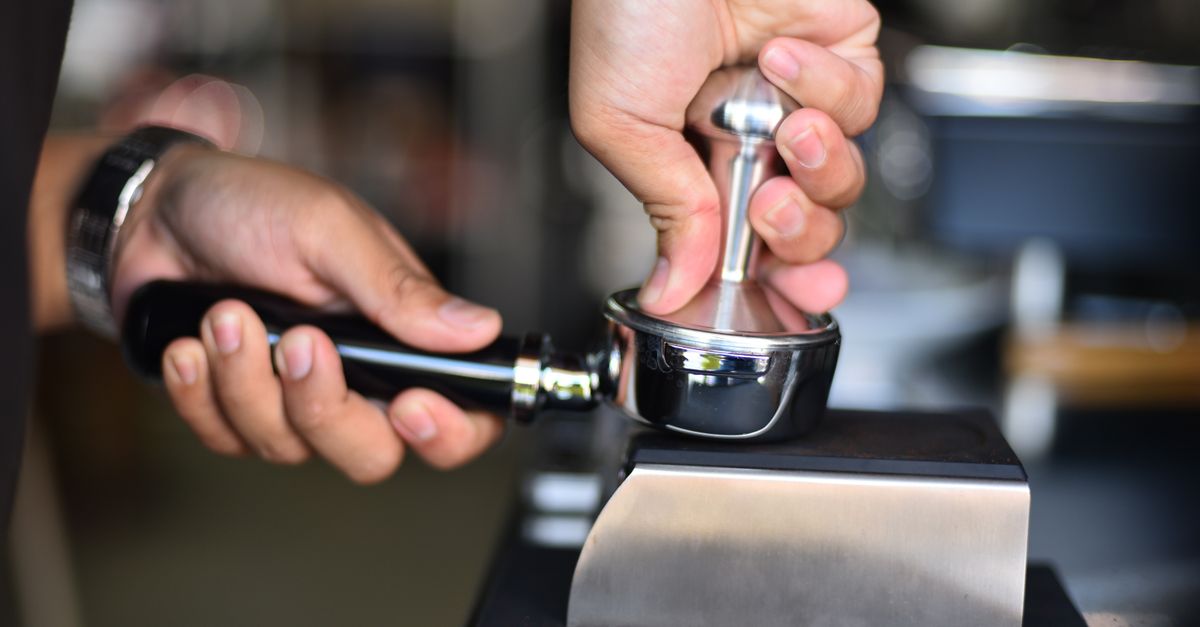
| Espresso tamper | Home espresso users | Normcore Spring Loaded Tamper V4 with Ripple Base | Exact basket size and base style | — |
| Coffee storage | Opened whole beans | Fellow Atmos Vacuum Canister | Airtight seal and a size that matches your routine | — |
| Milk frother | Milk drinks without a steam wand | Nespresso Aeroccino 3 Milk Frother | Cleanup and batch size | AmazoneBay |
Our picks in detail
Baratza Encore ESP
Best for: Home espresso drinkers who want an espresso-focused grinder that can also cover filter brewing.
Baratza says the Encore ESP is optimized for precision espresso grinding.
The settings range covers espresso at 1-20 and filter, French press, and cold brew at 21-40.
It is a current U.S. model sold direct by Baratza and includes a dosing cup.
What owners mention: Verified owners commonly praise the espresso range and simple workflow. Comments often mention retention and accessory tweaks, so it rewards a little setup attention.
- Grinding range
- Settings 1-20 for espresso; 21-40 for filter, French press, and cold brew
- Included accessory
- Dosing cup
- Availability
- Current U.S. model sold direct by Baratza
Pros
- Current U.S. model
- Espresso-focused workflow
- Covers more than one brew style
- Dosing cup included
Cons
- Still needs dialing in for your coffee and basket
- Not centered on coarse brewing first
- Some owners may want accessory tweaks
Skip it if: you mainly brew drip or pour-over and want a grinder designed around coarser settings first.
Fellow Stagg EKG Electric Pour-Over Kettle
Best for: Pour-over drinkers who want controlled pours and programmable temperature control.
The Stagg EKG is a current electric gooseneck kettle with a precision spout, to-the-degree temperature control, Brew Stopwatch, schedule, altitude setting, and hold mode.
Its 0.9 L / 30 oz capacity is sized for home manual brewing, and the 1200W heater is built for countertop use rather than stovetop use.
What owners mention: Verified owners commonly praise the precision pouring and temperature control. Comments sometimes debate temperature accuracy and the premium feel.
- Capacity
- 0.9 L / 30 oz
- Heating
- 1200W
- Temperature control
- To-the-degree control
- Extra features
- Brew Stopwatch, schedule, altitude setting, and hold mode
- Use
- Manual pour-over brewing
Pros
- Controlled pours
- Temperature control for repeatability
- Useful brew features
- Compact for home manual brewing
Cons
- Single-purpose countertop appliance
- Not stovetop-safe
- Some users debate temperature accuracy and the premium feel
Skip it if: you want a stovetop kettle or only need a basic hot-water kettle.
Technivorm Moccamaster KBGV Select Coffee Maker
Best for: Drip coffee drinkers who want a reliable batch brewer with a simple workflow.
The KBGV Select is a current 40 oz / 1.25 L batch brewer with a 9-hole outlet arm, brew-volume selector, and automatic drip-stop.
The manual lists a brew time of about 4 to 6 minutes, auto-off after 100 minutes, ECBC certification, SCA approval, and a 5-year warranty.
It uses a glass carafe and remains a current U.S. batch brewer in the KBGV Select line.
What owners mention: Verified owners commonly praise reliability, fast brewing, and straightforward use. Comments usually focus on footprint and carafe handling rather than brew mechanics.
- Capacity
- 40 oz / 1.25 L
- Outlet arm
- 9-hole
- Brew time
- About 4 to 6 minutes
- Auto-off
- 100 minutes
- Certification
- ECBC certified and SCA approved
- Warranty
- 5 years
Pros
- Simple workflow
- Fast brewing
- Long warranty
- Current U.S. batch brewer
Cons
- Takes dedicated counter space
- Glass carafe needs care
- No app control or built-in grinder
Skip it if: you want app control, a built-in grinder, or a smaller footprint.
TIMEMORE Basic 2.0 Electronic Espresso Scale with Timer
Best for: Home espresso and pour-over brewers who want a compact scale with timing and flow-rate readouts.
TIMEMORE lists 0.1 g precision up to a 2 kg max load, an automatic timer, and a water flow-rate test/display.
The current store page shows the black variant as unavailable, while white is listed.
It also has a 1600 mAh battery, up to 10 hours of runtime, and a sealed charging port.
What owners mention: Verified owners commonly praise the accuracy, easy use, and compact size. Comments often mention sold-out variants and the need to keep it charged.
- Precision
- 0.1 g
- Max load
- 2 kg
- Timer
- Automatic timer
- Flow-rate feature
- Water flow-rate test/display
- Battery
- 1600 mAh
- Runtime
- Up to 10 hours
- Charging
- Sealed charging port
Pros
- Fine 0.1 g precision
- Built-in timer
- Water-flow-rate display
- Low-profile body
- Sealed charging port
Cons
- Black colorway may be unavailable on the store page
- Needs to be charged
- Extra features may be more than some casual users need
Skip it if: you only want a basic kitchen scale and never time your brews.
Normcore Spring Loaded Tamper V4 with Ripple Base
Best for: Home espresso users who know their basket size and want a spring-loaded tamper.
The V4 is a spring-loaded tamper line with 51, 54, 57, and 58 mm sizes.
It ships with 15, 25, and 30 lb springs and uses stainless steel and anodized aluminum construction.
The ripple base design is part of the current direct-sale line.
What owners mention: Verified owners commonly praise consistency. Comments often mention click/noise and grounds buildup.
- Sizes
- 51, 54, 57, and 58 mm
- Springs included
- 15 lb, 25 lb, and 30 lb
- Materials
- Stainless steel and anodized aluminum
- Style
- Spring-loaded with ripple base
Pros
- Size options
- Interchangeable spring weights
- Consistent press feel
- Current direct-sale accessory
Cons
- Click/noise during use
- Grounds can build up
- Only helpful if the size matches your basket
Skip it if: you do not know your basket size or if you want a completely silent tamper.
Fellow Atmos Vacuum Canister
Best for: Coffee drinkers who want vacuum-style storage for opened whole beans.
The Atmos is a current vacuum canister line with manual and electric lid options in 0.7 L and 1.2 L sizes.
Fellow says the 0.7 L size holds up to 11 oz of beans, while the 1.2 L size holds up to 16 oz of light or medium roasts.
It is meant for whole beans, not grounds, and it is not dishwasher safe.
What owners mention: Verified owners commonly praise the freshness benefit and the seal indicator. Comments repeatedly warn about maintenance and valve clogging.
- Sizes
- 0.7 L and 1.2 L
- Lid options
- Manual and electric
- Bean capacity
- 0.7 L holds up to 11 oz; 1.2 L holds up to 16 oz of light or medium roasts
- Care
- Not dishwasher safe
- Use
- Whole beans only
Pros
- Current U.S. option
- Vacuum-style storage
- Counter or pantry friendly
- Size options
Cons
- Not for grounds
- Not dishwasher safe
- Needs regular cleaning to reduce valve issues
Skip it if: you mostly store pre-ground coffee or want dishwasher-safe storage.
Nespresso Aeroccino 3 Milk Frother
Best for: Milk-drink fans who want simple one-touch frothing.
The Aeroccino 3 makes hot milk foam, hot milk, and cold froth with one-button operation.
Nespresso's current support materials describe it as hand-wash only with up to 120 ml capacity.
The U.S./Canada spec lists 450W for the unit.
What owners mention: Verified owners commonly praise easy use and consistent foam. Comments usually focus on size limits and cleanup.
- Functions
- Hot milk foam, hot milk, and cold froth
- Capacity
- Up to 120 ml
- Power
- 450W on the U.S./Canada spec
- Cleanup
- Hand-wash only
Pros
- One-touch operation
- Hot and cold froth options
- Compact
- Easy to understand
Cons
- Small capacity
- Hand-wash only
- Less control than a steam wand
Skip it if: you want to texture larger milk batches or need steam-wand control.
Start with the brew style you make most
The fastest way to waste money is to shop by feature instead of by drink. Espresso, pour-over, drip, and milk drinks ask for different tools, and a setup that feels perfect for one style can feel clumsy for another.
If the grinder is the weak point, start with how to choose a coffee grinder or burr vs blade grinder before buying another accessory. If espresso is your main brew, the espresso machines guide helps you decide whether the brewer needs attention before the add-ons do.
- Espresso drinkers usually need a tamper, a scale, and a grinder that can go fine enough to dial in shots.
- Pour-over drinkers usually need a gooseneck kettle, a scale, and a simple brewer or dripper.
- Milk-drink drinkers may want a frother if they do not already have a steam wand they like using.
- People who buy whole beans in larger bags usually get the most value from a canister.
- Read the detailed tool guides before adding optional extras that do not solve a real bottleneck.
Budget, mid-range, and premium: pick the right tier
It helps to think in budget, mid-range, and premium terms without attaching a price to each one. Value picks solve the job, mid-range picks smooth the workflow, and premium picks usually trade simplicity for better fit, control, or automation.
That is why the right upgrade is often different by brew style. A grinder that fits your method matters more than a decorative accessory, and a brewer that fits your routine matters more than a longer feature list.
- Espresso: best value is an espresso-focused grinder like the best espresso grinder pick; best upgrade is a fit-matched tamper and scale.
- Pour-over: best value is a simple brewer and kettle; best upgrade is the best gooseneck kettle plus a timer scale; best premium path is a brewer from best pour-over coffee maker.
- Drip: best value is a dependable machine from best drip coffee maker; best upgrade is the Technivorm Moccamaster.
- Milk drinks: best value is the best milk frother; best upgrade is a machine with a wand plus how to steam milk at home; best premium path is a more automated routine with best super automatic espresso machine.
A few current models worth checking first
Watch out: exact model names and colorways can change. The Moccamaster naming is a little different across current materials, and TIMEMORE's black scale is unavailable on the store page, so confirm the exact variant before you compare old reviews.
These current models are worth checking first because they line up with the most common home workflows. Baratza Encore ESP for espresso grinding, Fellow Stagg EKG for controlled pouring, Technivorm Moccamaster KBGV Select for batch drip, TIMEMORE Basic 2.0 for a compact timer scale, Normcore Spring Loaded Tamper V4 with Ripple Base for a fit-specific tamper, Fellow Atmos for bean storage, and Nespresso Aeroccino 3 for easy milk foam.
- Compare the current product page to older reviews before you decide.
- Check whether the exact colorway or variant is actually available.
- Read the manual for cleaning, descaling, or storage limits.
Espresso accessories that matter most
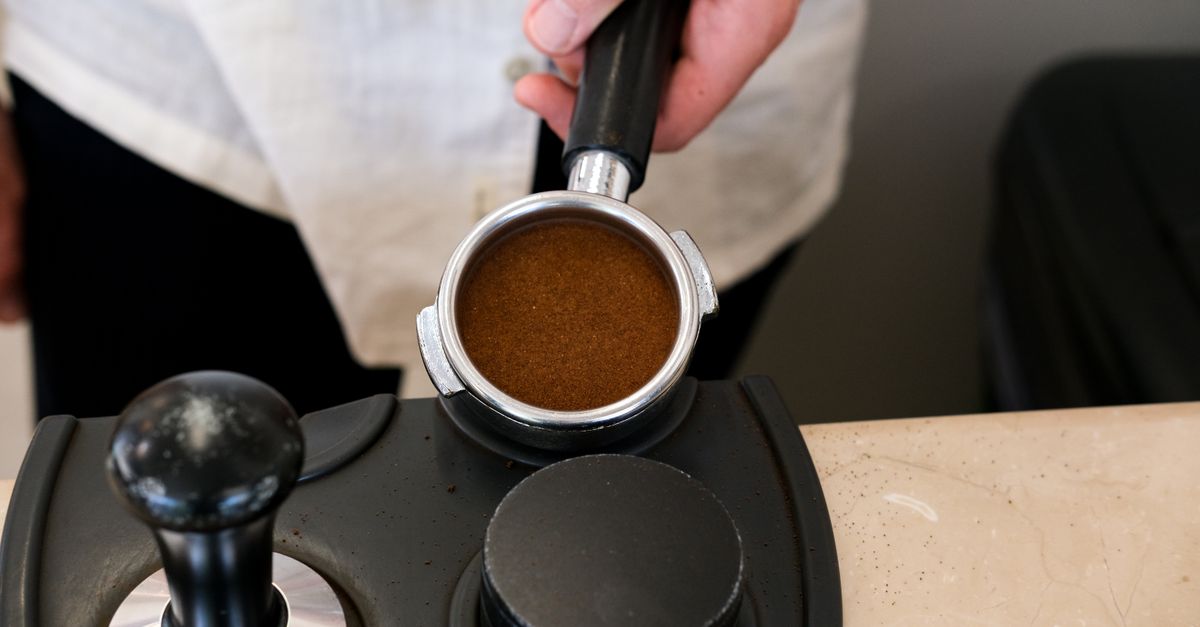
Around an espresso machine, the best accessories reduce variation. A tamper that fits the basket, a scale that lets you repeat dose and yield, and a grinder that can go fine enough all pull in the same direction.
If you want to narrow down fit and base style, compare the coffee tamper and espresso tamper guides before you pick a size. That matters more than chasing extra features you do not need.
- Match tamper diameter to basket size so the tool actually contacts the coffee bed correctly.
- Choose a flat base if you want simple, repeatable puck prep.
- Favor a grip that keeps your wrist comfortable and your press level.
- Add a scale when you want to track dose, output, and brew ratio.
Pour-over gear: the kettle is the control knob
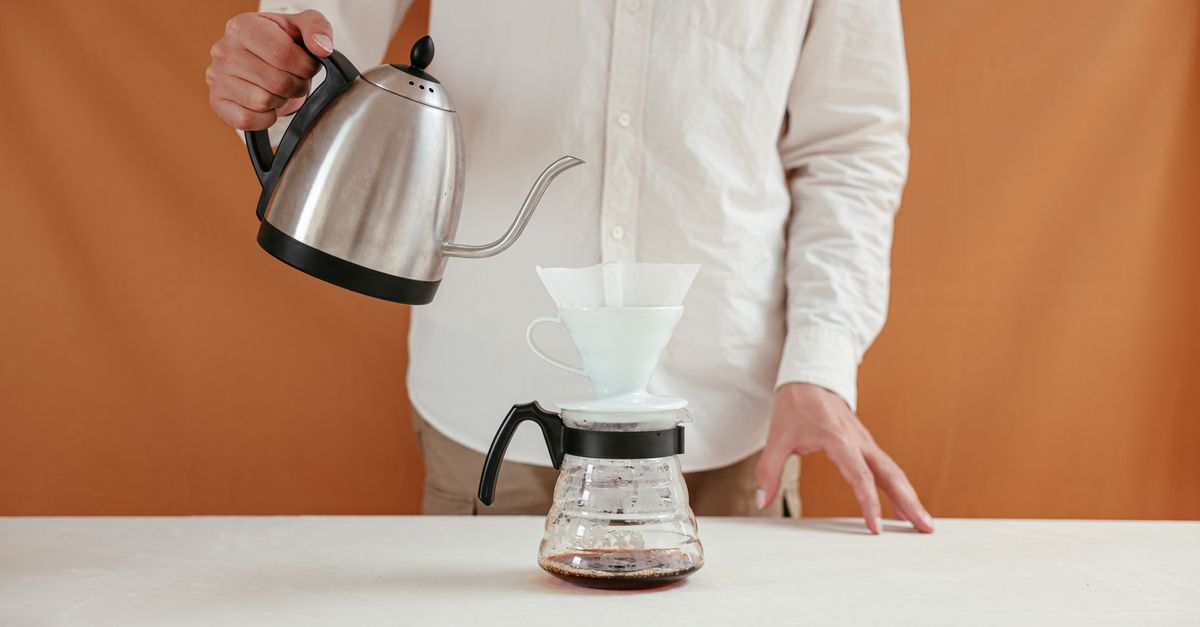
Manual brewing lives or dies on pour control. A gooseneck kettle gives you a narrow stream that is easier to aim, so blooms, pulses, and the final drawdown are easier to repeat.
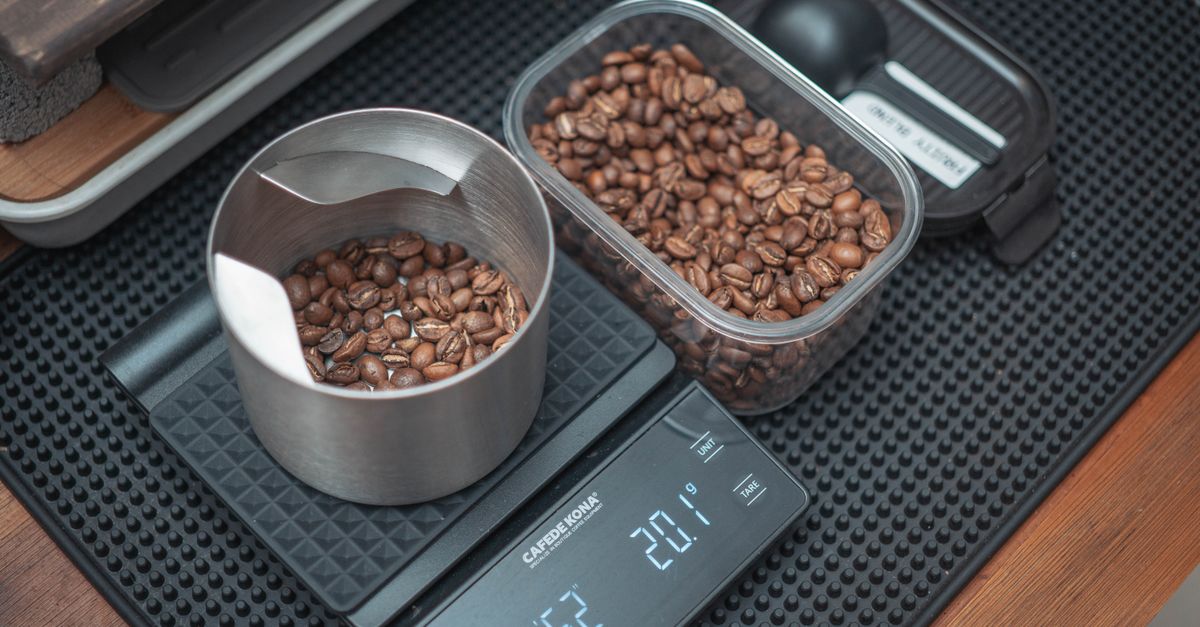
A scale with a timer helps even more because it keeps bloom and drawdown consistent. Capacity comes next: one-cup brewers can live with a smaller kettle, but households that brew for two or more need more room.
- Choose enough capacity for the cups you usually make.
- Temperature control helps repeatability, but a simple kettle can still work if you are consistent.
- A comfortable handle matters because a steady pour is a better pour.
- A scale with a timer makes bloom and drawdown easier to learn.
Drip coffee gear: where the brewer earns its keep
Batch brewing is about consistency and convenience. If you make several cups at once, a good drip machine matters more than a fancy accessory.
If you are still dialing a drip recipe, the coffee to water ratio for drip guide is the next step. A better grinder often matters as much as the brewer itself, which is why the current grinder comparisons still belong in the drip conversation.
- Choose a brewer with stable temperature control, easy cleanup, and a carafe that fits your routine.
- If you want a premium path, the Technivorm Moccamaster KBGV Select is the kind of upgrade people buy when they want fewer buttons and a more repeatable workflow.
- If you brew bigger batches, make sure the basket and carafe are sized to your household.
Milk drinks: decide between frothing and steaming
If you make lattes, cappuccinos, or hot chocolate often, a frother can be the fastest way to get foam at home. It is about speed and simplicity, while a steam wand gives you more control over texture.
Good to know: if you already like your machine's steam wand, the next upgrade may be technique rather than another appliance. The wand route takes practice, but it can give you more control over texture than a standalone frother.
- Buy a frother if you want foam without a larger workflow.
- Choose easy-clean parts if you will use it often.
- Be careful with hot milk, hot surfaces, and steam.
- Keep cords and wet counters separate.
- If you only occasionally make milk drinks, compact gear is usually easier to live with than another big countertop appliance.
Storage: keep beans protected, not just out of sight
Good storage slows exposure to air, light, heat, and moisture. A vacuum canister helps, but it cannot rescue coffee that is already stale.
For most people, the best coffee canister guide covers the simplest option, while the vacuum canister route is the step up when you want more sealing help.
- Use an airtight seal you will actually close.
- Choose a size that fits your normal bag or partial-bag routine.
- Keep the container away from the stove, sink, and sunny windows.
- Treat storage as protection, not a substitute for fresh beans.
The specs that matter most
If you are still comparing grinders, the best burr grinder for espresso and pour-over guide is the best next read.
Most marketing makes the wrong features sound important. In practice, the details that matter are the ones that affect repeatability, cleanup, and fit.
- For grinders: burr type and adjustment range matter more than app features; if you are still undecided, compare burr vs blade grinder.
- For kettles: stream control and capacity matter most.
- For scales: readability, timer, and a top that wipes clean easily matter most.
- For tampers: exact fit matters more than ornament.
- For frothers: simple controls and fast cleanup matter most.
- For canisters: airtight seal and daily convenience matter more than appearance.
Maintenance and safety: keep the setup simple
Coffee gear deals with hot water, steam, electricity, and sticky coffee oils. Follow the manual for cleaning and descaling chemicals, keep electric bases and plugs dry, and never assume a removable part is safe to soak.
Steam wands, hot carafes, and kettle bodies can burn quickly. Let parts cool before washing, wipe spills right away, and use only the cleaning or descaling steps the manufacturer calls for.
- Unplug before cleaning anything that heats.
- Let hot parts cool before washing or storing.
- Wipe drips and milk residue right away.
- Use only the cleaning or descaling steps the manual calls for, including the correct descaling chemical.
- If your brewer needs a deeper cleaning routine, follow how to descale an espresso machine as a model for safe step-by-step care, then check your manual for the exact process.
Common mistakes to avoid
The biggest mistakes are usually ordering in the wrong sequence and buying gear that does not fit the way you brew.
If you make espresso, start with the machine and grinder; if you make pour-over, start with the kettle and scale; if you make milk drinks, think about frothing or steaming before you add another appliance. In every case, the accessory should solve a specific bottleneck, not just add a new feature.
- Buying a tamper before confirming basket size.
- Buying a frother when your machine already makes the milk drink you want.
- Choosing a kettle or canister that is awkward to fill or clean.
- Treating a scale like a luxury when it would remove guesswork.
- Expecting storage to rescue beans that are already stale.
FAQ
What coffee gear should I buy first?
Buy the tool that solves the biggest bottleneck in your current routine. For pour-over, that is usually the kettle and scale. For espresso, it is usually the grinder and tamper. For milk drinks, a frother helps if you do not have a wand. For storage, a canister helps once beans are being opened regularly.
Do I need a scale for home coffee?
Not always, but it is one of the simplest ways to improve repeatability. It helps with dose, water ratio, and timing. If you are trying to brew the same cup every day, a scale earns its spot, and the coffee ratio calculator can help you turn a ratio into a real recipe.
Is a gooseneck kettle only for pour-over?
It is most useful for pour-over and other manual brewing styles, but any brew that benefits from a controlled stream can use one. The big advantage is pour precision, not the name on the recipe.
Can a milk frother replace a steam wand?
Not exactly. A frother can create foam and make milk drinks easier, but a steam wand gives more control over texture and is better when you want a café-style result.
Do coffee canisters really keep beans fresh?
They help by reducing exposure to air, light, heat, and moisture. They cannot make stale beans new again, but they can slow down the decline after a bag is opened.
Should I buy accessories before upgrading my machine?
Usually buy the tool that fixes the biggest problem first. Sometimes that is an accessory, but if your brew is inconsistent, the grinder or machine may matter more than anything else.
Do I need a vacuum coffee canister?
Not always. A standard airtight canister is enough for many people, but a vacuum canister can be worth it if beans sit around for longer stretches or you want a little more day-to-day protection.
What if I brew both espresso and drip?
Choose the grinder and scale that work across both styles first, then add the brew-specific tool like a tamper or kettle. That keeps you from buying duplicate gear before the foundation is right. If you want to improve the espresso side, how to dial in espresso is a smart next step.
The bottom line
Coffee gear works best when it solves one clear problem. Start with the drink you make most, then buy the tool that makes the routine easier, cleaner, and more repeatable.
When you compare current 2026 models, verify the exact product page and variant before you buy so you do not chase a version that is no longer current.